
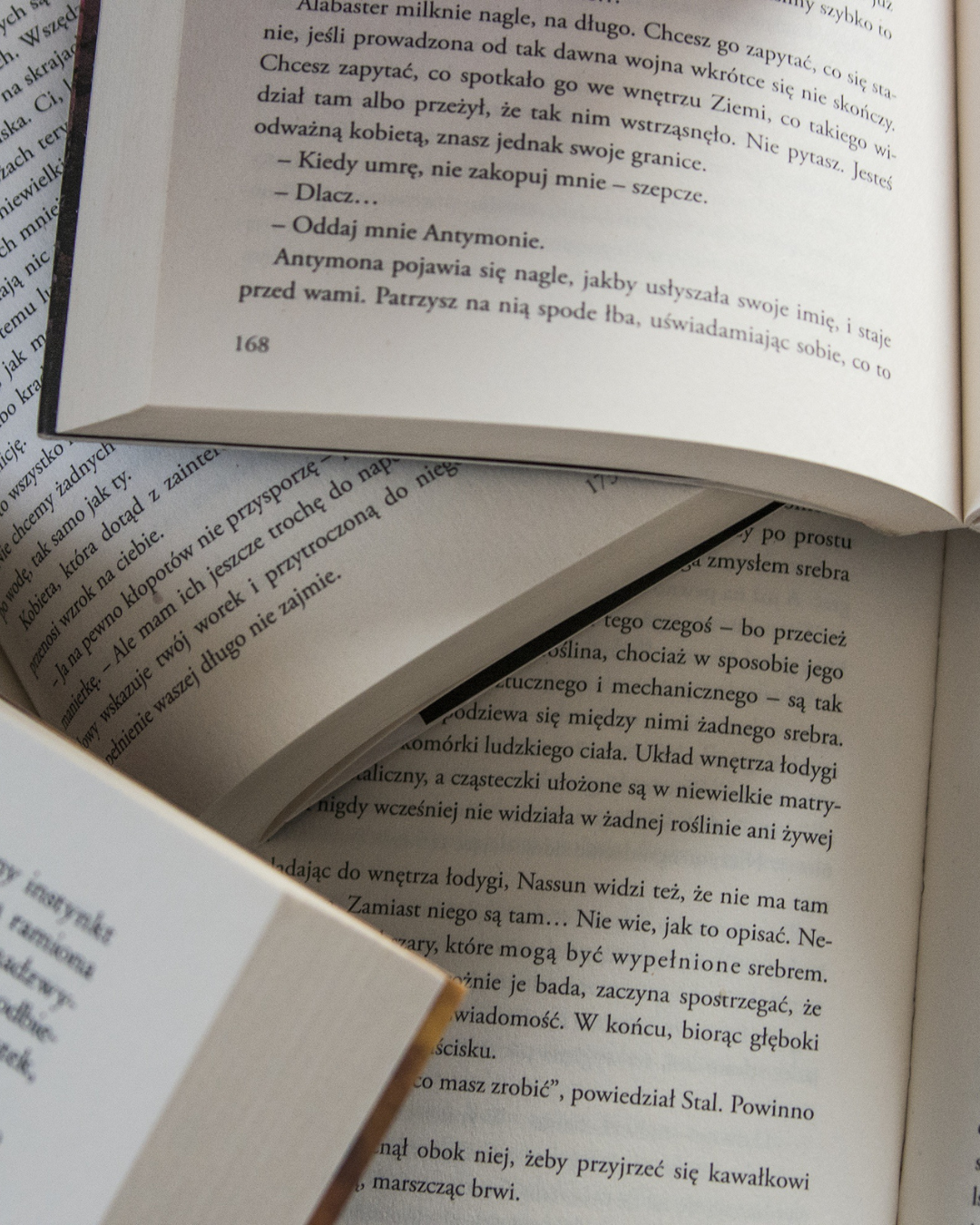
There is something wonderfully old-fashioned about a bedtime story.
The bath is finished, pyjamas are on, the house is beginning to quieten and, for a little while, the day becomes smaller. A child chooses a book — quite possibly the same one they have chosen every night for the past three weeks — and climbs into bed beside someone they trust.
In a world filled with screens, notifications and increasingly busy schedules, it is a remarkably simple ritual.
And perhaps that is exactly why it still matters.
A Quiet Ending to a Busy Day
Children's days can be surprisingly full.
School, nursery, activities, playdates, homework, conversations, noise and new experiences all compete for their attention. Bedtime offers one of the few natural opportunities for everything to slow down.
A story creates a bridge between the excitement of the day and the stillness of sleep.
The familiar routine of choosing a book, settling down and listening to a familiar voice can signal that the day is coming to an end.
There is nowhere else to be.
Nothing else needs doing.
For ten or twenty minutes, the world can wait.
The Magic of Hearing a Story
Before children can read independently, books introduce them to words they might never encounter in ordinary conversation.
There are castles and forests, peculiar creatures, faraway countries and characters who find themselves in all sorts of trouble.
Without realising it, children are listening to how sentences work, discovering new vocabulary and beginning to understand how stories have a beginning, a middle and an end.
But something else is happening too.
They are imagining.
Unlike watching something on a screen, listening to a story asks a child to help create the world themselves. What does the enormous dragon look like? How dark is the forest? What sort of voice does the wicked witch have?
Every child creates a slightly different version.
“Again.”
Anyone who has regularly read to a young child will know that having an entire bookshelf available does not necessarily mean you will be reading a different book each evening.
Children adore repetition.
Adults may quietly wonder how many more times they can possibly read the same story about the same bear, rabbit or hungry caterpillar.
The child, meanwhile, is delighted.
They know what is coming. They wait for their favourite page. They correct you if you accidentally change a word. Eventually, they begin “reading” parts of the story themselves from memory.
That familiarity is part of the pleasure.
In a world where so much is new to a young child, knowing exactly what happens next can be wonderfully comforting.
Stories Give Children Somewhere Safe to Explore
Children's books tackle surprisingly big subjects.
Friendship. Fear. Jealousy. Bravery. Kindness. Losing things. Starting school. Welcoming a sibling. Missing someone. Making mistakes.
Through characters, children can encounter emotions and situations at a comfortable distance.
Sometimes a child who doesn't quite know how to explain something they are feeling will recognise it immediately in a story.
And sometimes there doesn't need to be a lesson at all.
Sometimes a Gruffalo is simply a Gruffalo.
It Is About More Than Reading
Perhaps the most important part of a bedtime story isn't actually the story.
It is the closeness.
It is a child tucked under an arm. A familiar voice doing terrible impressions of different characters. A question halfway through the page. A giggle when someone deliberately reads a favourite line incorrectly.
These are very ordinary moments.
That is often what makes them precious.
Childhood memories are not always made from holidays, birthdays and big occasions. Often, they are built quietly through things that happened hundreds of times.
The same bedroom.
The same chair.
The same voice saying, “One more, and then it's time for sleep.”
A Ritual Worth Keeping
Eventually, children learn to read for themselves.
The picture books become chapter books. Bedtimes change. They no longer need someone sitting beside them to find out how the story ends.
But perhaps that is all the more reason to enjoy the years when they do.
A bedtime story doesn't need to be educational. The book doesn't need to be new. Nobody needs to ask comprehension questions afterwards.
You simply need a book, a few quiet minutes and a child willing to listen.
Because long after they have forgotten the details of the stories you read together, they may still remember what it felt like to have someone sit beside them and read.
And that might be the most important story of all.
