
What Makes a House Feel Like Home to a Child?
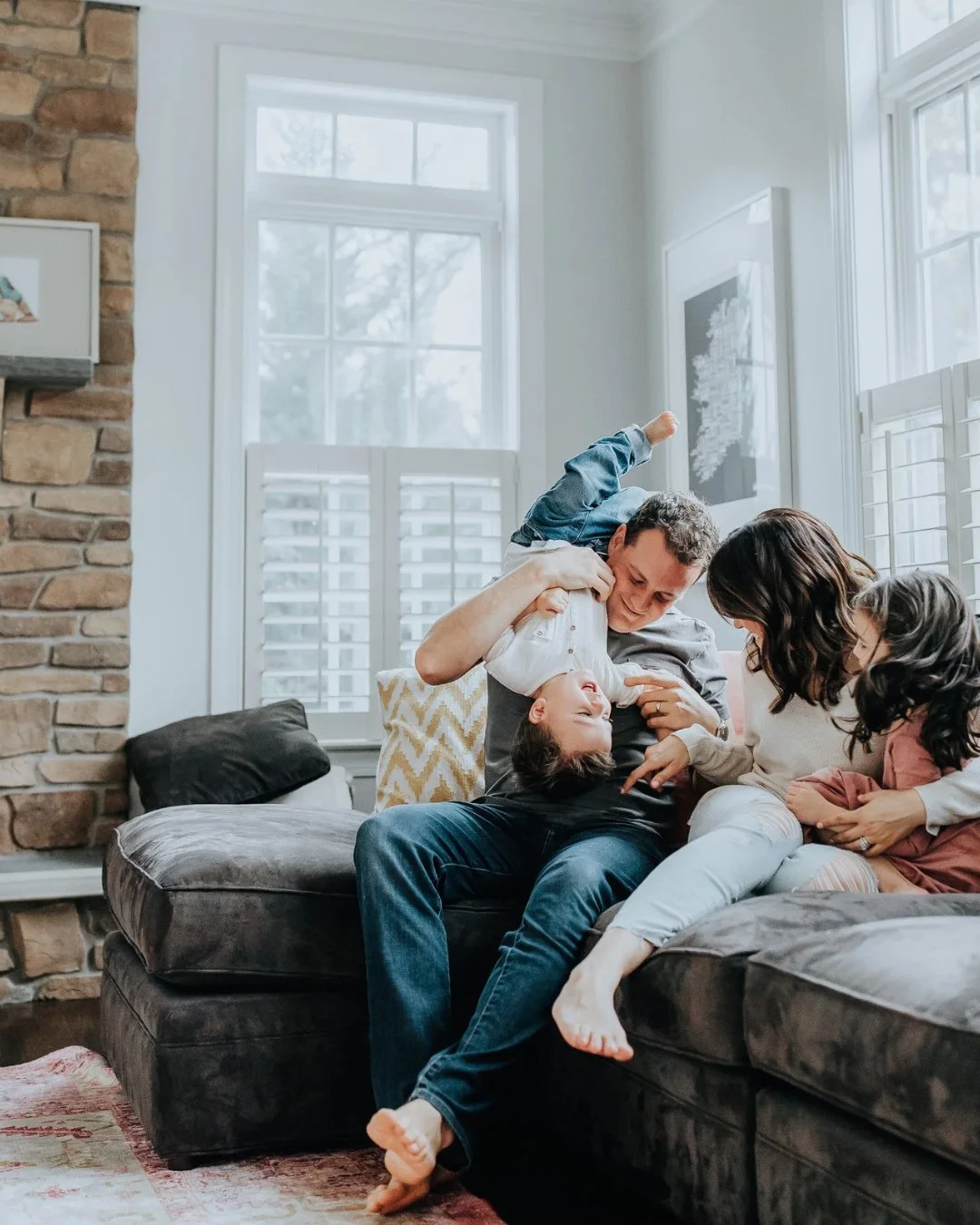
We put so much thought into the homes we create for our children.
We choose bedrooms, paint colours, furniture and toys. We think about good schools nearby, gardens to play in and whether there is enough space for family life to unfold.
But if we could ask a child what makes their house feel like home, their answer might have very little to do with the house at all.
Because home, to a child, is a feeling.
It is the place where they know, without ever having to ask, I belong here.
A Place Where They Can Be Completely Themselves
Children need somewhere in the world where they don't have to get everything right.
Outside the home, they are constantly learning how to navigate the world. They are learning to share, to listen, to wait their turn, to manage friendships, to follow instructions and, as they grow older, to cope with expectations that become increasingly complicated.
Home should be the place where some of that weight can come off.
Where a child can be noisy and excitable one afternoon and quiet and withdrawn the next.
Where they can have a terrible day, say the wrong thing, burst into tears over something that seems terribly small to an adult — and still know that they are loved just as much as they were yesterday.
That doesn't mean a home without boundaries.
Quite the opposite.
There is enormous comfort for children in knowing where the boundaries are. But underneath the rules, they need the certainty that their place within the family is never in question.
A Home Should Have Signs of Childhood
There is something rather lovely about a home that bears the evidence of the children growing up inside it.
A drawing on the fridge.
A collection of mysterious treasures brought in from the garden.
A Lego creation that nobody is allowed to dismantle.
Tiny shoes amongst the grown-up ones by the door.
A book left open on the sofa.
These things can make a beautifully ordered house feel slightly less ordered.
But they also say something.
A child lives here. And there is room for them here.
Children should learn to respect their surroundings and other people's belongings, of course. But a family home should also be somewhere they are allowed to live fully — to play, create, explore and occasionally make a mess.
Belonging Comes From Being Part of Things
Sometimes we show children that they belong simply by including them.
Letting them help prepare dinner, even though it would be quicker to do it ourselves.
Giving them little responsibilities around the house.
Listening to their opinion when something affects the family.
Allowing them to contribute rather than always being the person everything is done for.
For a small child, being trusted to carry something to the table can feel enormously important.
As they grow, those responsibilities grow with them.
And quietly, through all those ordinary moments, they learn:
This isn't just the house where I live. This is my home, and I am part of what happens here.
Home Is Also Somewhere to Come Back To
As children grow, their world gets bigger.
First there is nursery. Then school. Friendships, sleepovers, sports, exams, first disappointments and eventually a life that begins to exist increasingly beyond the front door.
Perhaps one of the greatest things we can give them is a home that remains their safe place as that world expands.
Somewhere they can come back after a brilliant day and tell you every detail.
And somewhere they can come back after an awful one and not have to explain anything immediately.
Sometimes children need advice.
Sometimes they need encouragement.
And sometimes they simply need someone to make space beside them on the sofa.
Knowing the difference is part of loving them.
The Atmosphere Adults Create Matters
A child's sense of home is shaped by all the adults who care for them.
Parents, nannies and other caregivers each contribute to the atmosphere surrounding a child.
They notice whether adults listen to them. They notice kindness. They notice tension. They notice when somebody is pleased to see them.
For a nanny, becoming part of a household is therefore about far more than completing a list of nursery duties.
It means understanding the family whose home you have been invited into.
The best nanny-family relationships allow a nanny to become part of the security surrounding a child while always respecting the family's own values, relationships and way of life.
It is a position of enormous trust.
Perhaps Home Is Simply This
One day, the toys will disappear from the sitting room.
The little shoes by the door will become much bigger ones.
Bedrooms will become tidier — hopefully.
And eventually, the children who once filled the house with noise will begin building lives and homes of their own.
We cannot know exactly what they will carry with them.
But perhaps what matters most is that, while they were growing, home was the one place where they never had to wonder whether there was room for them.
There was.
Room for their noise and their questions.
Room for their mistakes and their triumphs.
Room for the person they were becoming.
And, above all, the quiet certainty that whenever they walked through the door, they were home.
